Whoa! This is one of those things that sounds simple on the surface. Honestly, it’s not. Web wallets promise convenience, but convenience carries trade-offs—sometimes subtle, sometimes glaring. My instinct said “easy win,” but then I dug in and found a few gnarly edges that deserve attention.
Okay, so check this out—what do people actually mean by a “web Phantom wallet”? Often they mean a hosted, browser-accessible wallet interface that behaves like the familiar Phantom extension or mobile app. Medium-sized teams and hobbyist builders sometimes spin up web-hosted wallets to let users connect without installing an extension. That can feel great for onboarding. Seriously?
On one hand, web wallets are easier to access: no extension install, fewer friction points during that first session. On the other hand, though actually—don’t sleep on the risk profile. Hosted front-ends can be cloned, DNS can be hijacked, and phishing pages mimic UX very very well. Initially I thought a web wallet would be fine for small balances, but then I realized that even small balances can be valuable and that attackers target convenience first.
Here’s the practical part. If you try a web wallet (or if you’re evaluating one for your users), watch for these checklist items: HTTPS and a valid certificate, a well-known domain (type it, don’t click), clear privacy policy and open-source client code if possible, and a reputation track record (community mentions, GitHub activity). Also, prefer wallets that support hardware signer integrations (Ledger, for instance) so critical signatures require physical confirmation. Hmm…
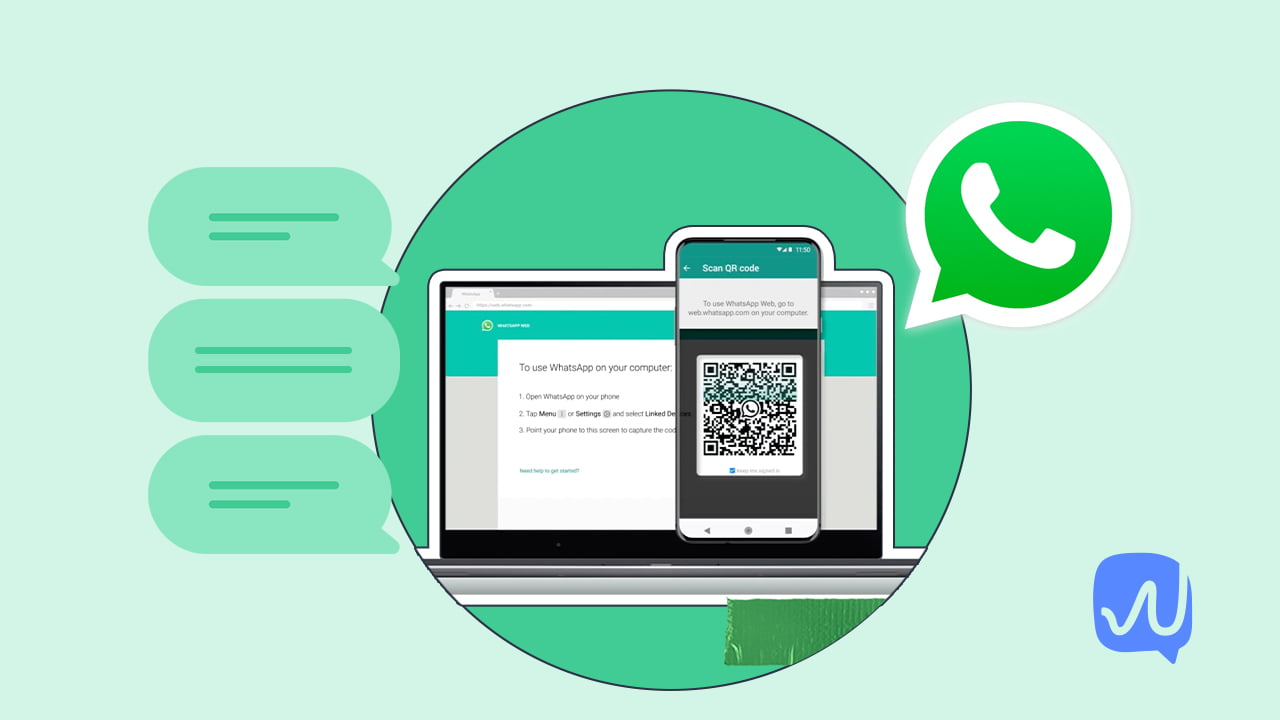
What to expect when connecting to Solana dApps
Connection flow on Solana typically follows the Wallet Adapter pattern: the dApp asks your wallet for a connection, you approve, and then the dApp requests signatures for transactions. For web wallets this is the same pattern, but the UI for signature confirmation matters a lot. A good wallet clearly shows the transaction details and origin, and it gives a deterministic ledger of requests. If the wallet hides the destination or compresses details, that’s a red flag.
Developers: integrate Wallet Adapter (or the widely used adapters) so users can choose whatever client they trust. Users: if a dApp only supports one wallet type, think twice. Also, if a site asks you to paste your seed phrase into a form—run. Seriously, run.
About security and phishing (be paranoid, but not frozen)
Phishing is a social engineering game. Attackers create lookalike sites, send clever messages, and sometimes use domain names that are one character off. I’m biased toward caution here—I’ll check the domain, read the cert details, and open a new private window to see if popups differ. I’m not 100% sure this is foolproof, but it catches a lot of tricks.
If you’re evaluating a specific hosted web client, and you saw a link like phantom wallet floating around, pause. Verify via multiple sources. The official Phantom team uses phantom.app (type that directly into your address bar) and they publish clear upgrade paths and extension downloads. A hosted third-party front-end might be useful for testing, but treat it as ephemeral—use only tiny amounts and never store long-term funds there.
Here’s what bugs me about the rush to web wallets: too many people equate “easy” with “safe.” They’re not the same. Web wallets expand attack surface—browser state, cookies, cross-site scripts, open devtools—and that means attackers have more vectors to try. Again… small everyday transactions might be okay, but protect your keys and your habit of approving signatures.
Practical tips — quick wins
Use a hardware wallet for large sums. Period. Pair it with your wallet client so signatures require physical taps. Consider a burner wallet for dApp interactions that you don’t fully trust. Move funds out of a web wallet to cold storage after you’ve finished a session. These are boring steps, but they work.
For developers building dApps, include explicit UX around the signing flow: show raw transaction payloads, include granular permissions, and make network selection obvious (mainnet vs devnet). Also, detect and warn when a wallet connection seems to be proxied or when RPC endpoints are unusual. Unexpected RPC endpoints can alter behavior and lead to subtle, expensive mistakes.
Also, audit the wallet client if you can. Open-source clients reduce risk (but don’t eliminate it). If a hosted wallet is closed-source, demand transparency from the team or avoid it. I’m not saying every closed-source project is malicious; I’m saying transparency helps establish trust.
Developer notes — integrating securely
Wallet Adapter? Use it. It provides a common interface for connecting to many wallets so users can pick their trusted client. Implement clear fallback UX: if a wallet request times out, show retry and explain possible causes. Test on devnet and testnet first. Seriously—test signatures before asking users to sign anything on mainnet.
Also consider transaction simulation on the client side (simulateTransaction) so users can see potential outcomes before signing. It reduces accidental approvals and gives you an extra layer of verification. Initially I thought simulating was overkill, but after seeing a malformed instruction once (ouch), simulation felt necessary.
FAQ
Can I safely use a web-hosted Phantom-like wallet for everyday DeFi?
You can, but be cautious. Use it for low-risk activities and pair it with hardware confirmations when money is significant. Always verify the domain, never paste your seed phrase, and prefer wallets with clear signature previews. If you plan to move real value—move it to a secure client or hardware wallet after the session.
How do I check whether a web wallet is legitimate?
Type the domain yourself; check TLS certificates; search community channels for references; look up the project’s GitHub; inspect whether hardware wallets are supported; and test with a tiny amount first. Look for red flags like requests to export private keys or to paste seeds into web forms.
What about mobile vs browser extension vs web wallet?
All have trade-offs. Extensions integrate well with desktop dApps. Mobile apps are convenient and can be secure if the OS is clean. Web-hosted clients are easiest to get started with but increase the attack surface. I use a combination: hardware + extension for serious balances, mobile for day-to-day, and web clients only when testing or for small amounts (oh, and by the way—keep backups!).